















































































The Dangerous Impact of Dumping Trash in Nigeria’s Gutters
Improper dumping of trash into gutters in Nigeria, especially as the rainy season approaches, can cause serious environmental and health problems. Blocked drainage systems lead to flooding that damages homes, roads, and property. Stagnant water in clogged drains also increases the spread of diseases such as Malaria and Cholera. The practice also harms the environment as plastics and other waste are washed into rivers and streams, polluting ecosystems. Experts say the problem can be reduced through public awareness, better waste management systems, community sanitation efforts, recycling initiatives, and stricter enforcement of environmental laws.

By Ibrahima Yakubu
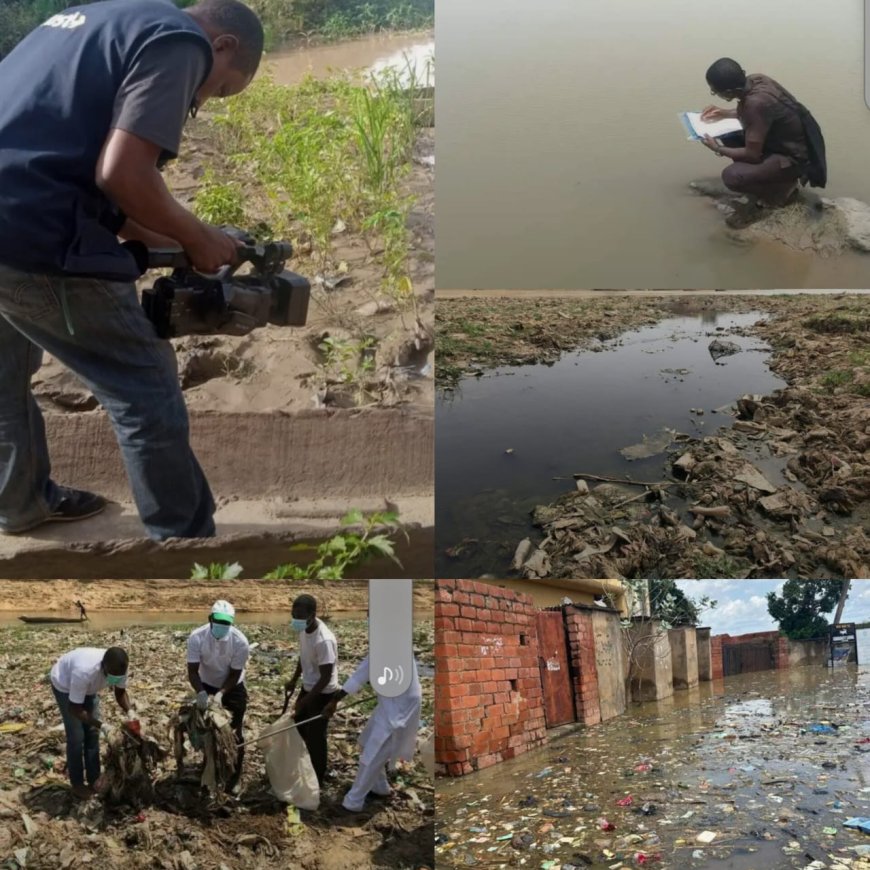
As the rainy season approaches in Nigeria, a recurring environmental problem becomes more visible: the indiscriminate dumping of trash and household waste into gutters and drainage channels. Although some people see it as an easy way to dispose of waste, the consequences can be severe for communities, the environment, and public health.
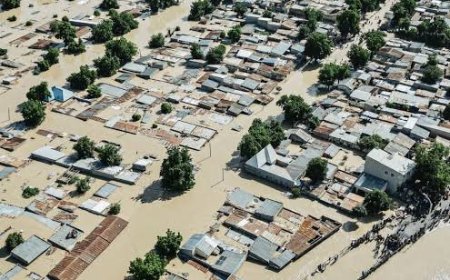
One of the most immediate effects is flooding. Drainage systems are designed to channel rainwater away from roads and homes, but plastics, bags, and other debris often block the flow of water. When heavy rains fall, the blocked gutters overflow, leading to flooded streets, damaged homes, disrupted transportation, and sometimes displacement of families.
Blocked drainage systems also contribute to the spread of diseases. Stagnant water trapped in gutters creates breeding grounds for mosquitoes and harmful organisms, increasing the risk of illnesses such as Malaria and Cholera. Decomposing waste also produces foul odors and harmful bacteria that can contaminate nearby water sources.
Environmental damage is another major concern. Plastics and other non-biodegradable materials are often carried by floodwaters into rivers and streams, polluting natural ecosystems and endangering aquatic life. Over time, this contributes to the degradation of water bodies and natural resources.
Clogged drains also place an economic burden on communities and local authorities. Governments must spend significant resources clearing blocked drainage systems and repairing damage caused by flooding—funds that could otherwise be used for development projects such as roads, schools, and healthcare.
Solutions to the Problem
Experts say the problem can be reduced through several practical measures. Public awareness campaigns should educate communities about the dangers of dumping waste in gutters. Local governments should improve waste disposal systems by providing accessible bins and ensuring regular garbage collection.
Community sanitation exercises can also help residents maintain cleaner surroundings and prevent waste from accumulating in drainage channels. In addition, authorities should enforce environmental laws and penalize individuals or businesses that dump waste indiscriminately. Recycling and waste reduction initiatives, particularly for plastics, can also help reduce environmental pollution.
Conclusion
Although throwing trash into gutters may seem like a minor act, it can lead to serious flooding, disease outbreaks, and environmental damage—especially during the rainy season. Through better waste management, public education, community participation, and stronger law enforcement, Nigeria can significantly reduce this problem and create a cleaner, safer environment for its citizens.
What's Your Reaction?
 Like
0
Like
0
 Dislike
0
Dislike
0
 Love
0
Love
0
 Funny
0
Funny
0
 Angry
0
Angry
0
 Sad
0
Sad
0
 Wow
0
Wow
0