






























































FG Unveils Plan to Replace JSS/SSS with 12-Year Basic Education to Tackle Out-of-School Crisis

Abuja, Nigeria 🇳🇬 June 30, 2026
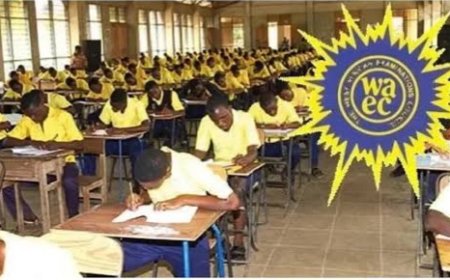
The Federal Government has announced plans to reform Nigeria's education system by replacing the existing Junior Secondary School (JSS) and Senior Secondary School (SSS) structure with a 12-year uninterrupted basic education model aimed at improving access to quality education and reducing the alarming number of out-of-school children across the country.
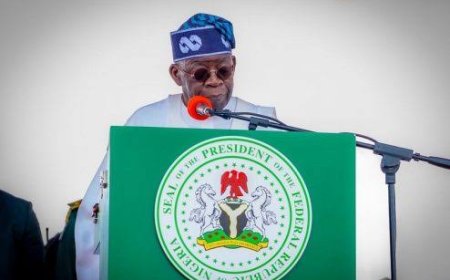
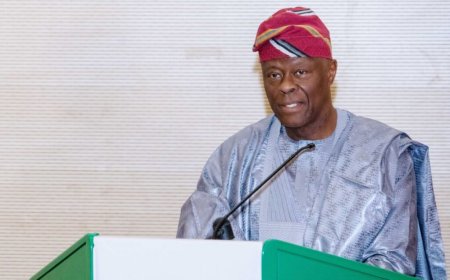
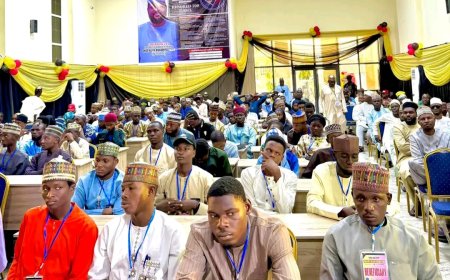
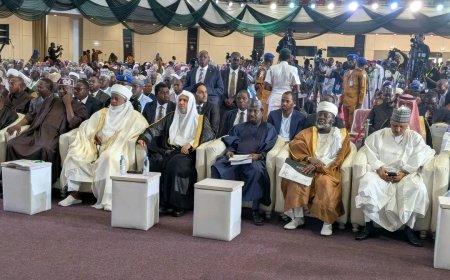
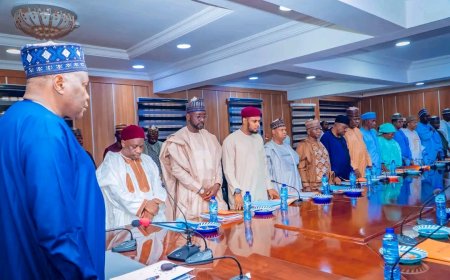
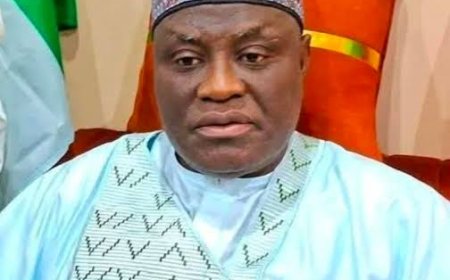
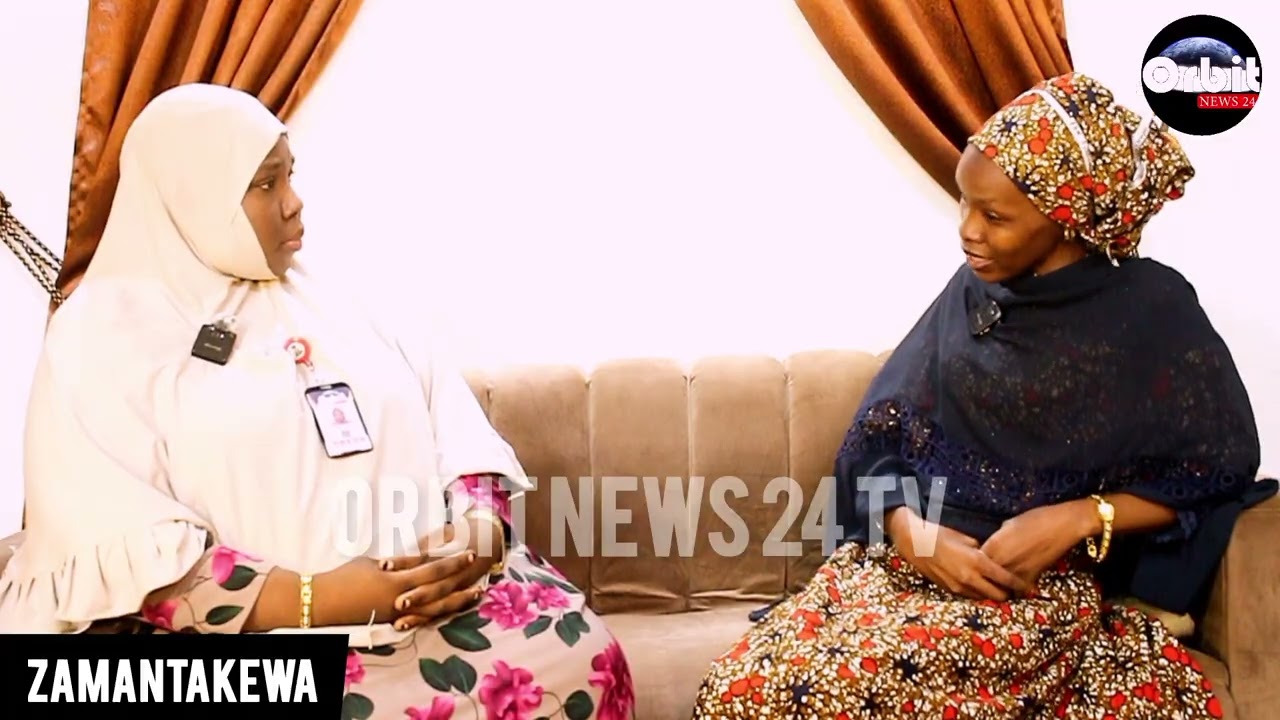
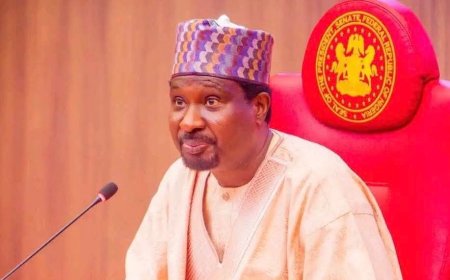
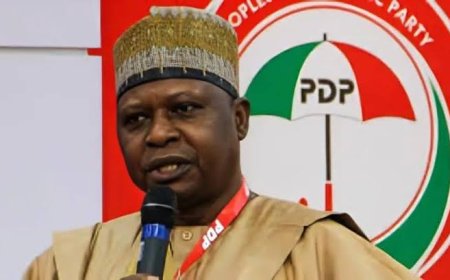
The proposal was unveiled by the Minister of Education during a policy engagement on the future of Nigeria's education sector. According to the minister, the reform is intended to ensure that every child has the opportunity to complete 12 years of continuous schooling without facing the transition barriers that currently exist between primary, junior secondary, and senior secondary education.
Nigeria currently operates the 6-3-3-4 education system, which consists of six years of primary education, three years of junior secondary school, three years of senior secondary school, and four years of tertiary education. Under the proposed reform, the distinction between JSS and SSS would be removed, creating a single, continuous basic education programme lasting 12 years.
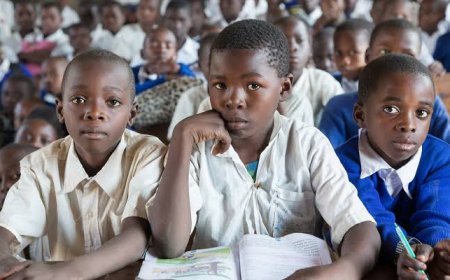
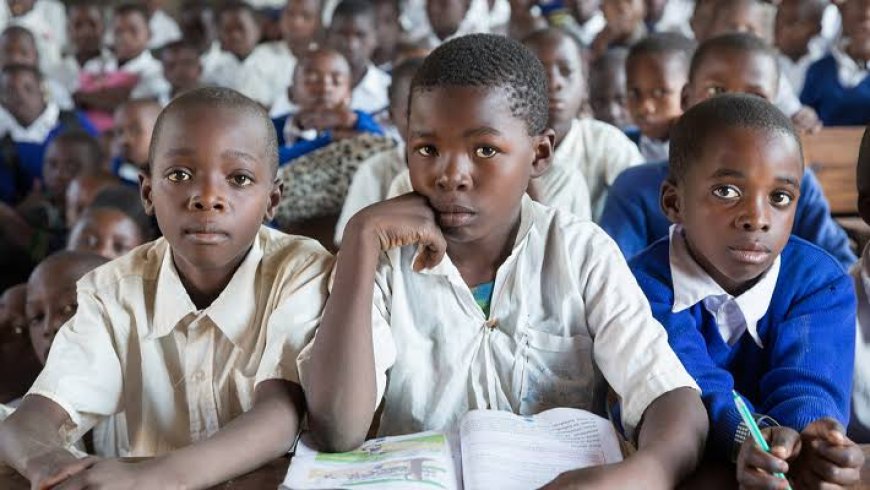
The Federal Government said the proposed changes are part of broader efforts to address the country's education challenges, particularly the growing number of children who are out of school. According to official figures, more than 20 million Nigerian children are currently not enrolled in school, making Nigeria one of the countries with the highest number of out-of-school children in the world.
Education authorities believe that many pupils fail to progress from primary school to junior secondary school due to inadequate infrastructure, limited school availability, financial constraints, insecurity, and other socio-economic factors. By creating a seamless 12-year education system, the government hopes to improve retention rates, reduce dropouts, and guarantee uninterrupted learning for every child.
The proposed reform is also expected to strengthen curriculum delivery, promote equal access to education, and better prepare students with the knowledge and skills needed for higher education, vocational training, and employment.
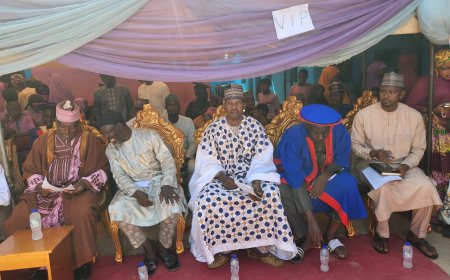
Despite the announcement, the Federal Government clarified that the reform is still at the proposal stage and will require consultations with relevant stakeholders, including state governments, education agencies, teachers' unions, school proprietors, and the National Council on Education before nationwide implementation.
Education experts have welcomed the proposal while stressing that its success will depend largely on adequate funding, teacher recruitment and training, improved school infrastructure, curriculum development, and effective implementation across all states of the federation.
If approved, the reform would represent one of the most significant changes to Nigeria's education system in decades, with the government expressing optimism that it will help improve learning outcomes and provide millions of Nigerian children with uninterrupted access to quality education.
What's Your Reaction?
 Like
0
Like
0
 Dislike
0
Dislike
0
 Love
0
Love
0
 Funny
0
Funny
0
 Angry
0
Angry
0
 Sad
0
Sad
0
 Wow
0
Wow
0