





































































Early Rains Signal Climate Shift, Demand Urgent National Response

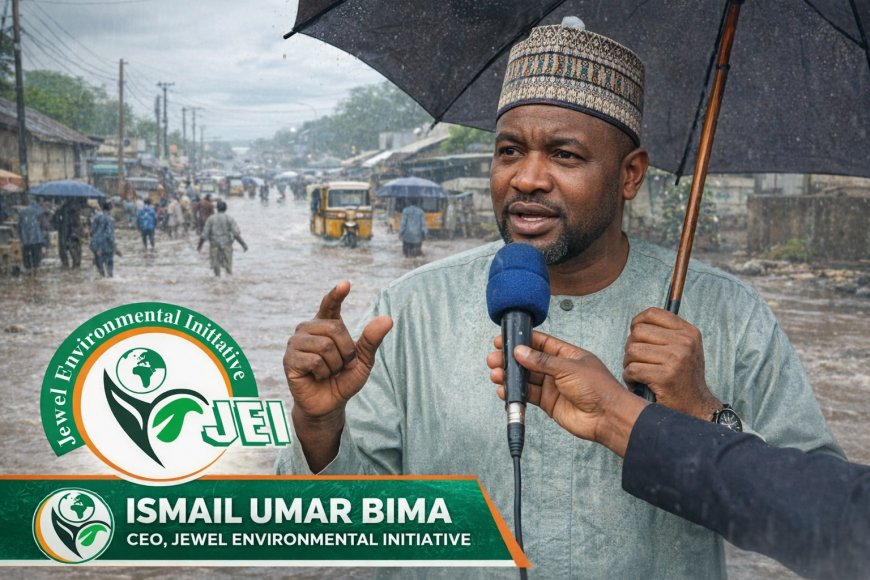
The early arrival of rainfall across parts of Gombe State and several regions in Nigeria has generated widespread reactions among residents, farmers, and environmental experts, with many describing it as both a blessing and a warning sign.
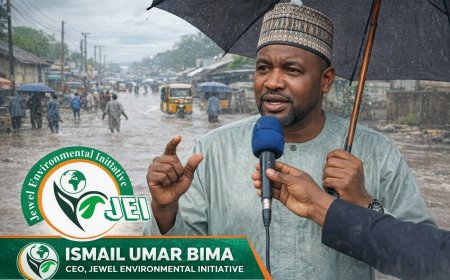
Speaking on the development, Ismail Umar Bima, CEO of Jewel Environmental Initiative, said the unusual timing of the rains should not be dismissed as a normal seasonal variation, but rather seen as a clear signal of shifting climate realities.
According to Ismail Umar Bima, the early rainfall, which arrived weeks ahead of the traditional farming calendar in northern Nigeria, points to a growing influence of climate change. He noted that such irregular weather patterns have become more frequent in recent years, affecting livelihoods, ecosystems, and infrastructure.
“In the past, communities could predict the onset of rains with reasonable accuracy,” Ismail Umar Bima explained. “Today, that predictability is fading. What we are witnessing is a climate system under stress, and the consequences are already unfolding before us.”
For the agricultural sector, which remains the backbone of many communities in Gombe and across northern Nigeria, Ismail Umar Bima described the early rains as a double-edged sword. On one hand, farmers may take advantage of the moisture to begin early planting, potentially extending the growing season. On the other hand, he warned that premature planting without reliable follow-up rains could expose crops to drought conditions if there is a sudden break in rainfall.
He emphasized that farmers must now rely more on scientific guidance rather than traditional knowledge alone, urging closer collaboration with agencies like the Nigerian Meteorological Agency for accurate and timely weather forecasts.
Beyond agriculture, Ismail Umar Bima raised serious concerns about urban vulnerability. He pointed out that even the initial rains have already exposed weaknesses in drainage systems in parts of Gombe, leading to flash flooding and waterlogging in some communities.
“This is just the beginning of the rainy season, yet we are already seeing flooding in certain areas,” he said. “It tells us clearly that our infrastructure is not prepared for what lies ahead.”
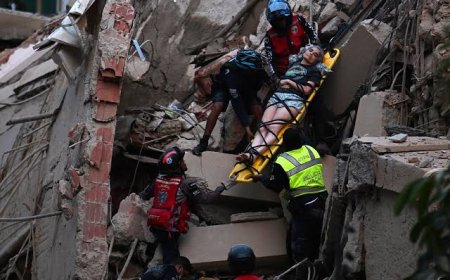
He further warned that if urgent steps are not taken, the country could face more severe flooding incidents, displacement of communities, destruction of property, and increased health risks such as waterborne diseases.
From an environmental perspective, Ismail Umar Bima noted that early rainfall also affects soil stability, erosion patterns, and water resource management. He explained that excessive or poorly distributed rainfall can wash away topsoil, reduce land fertility, and negatively impact long-term agricultural productivity.
He also highlighted the broader ecological implications, including disruption of natural habitats and biodiversity, stressing that environmental sustainability must now become a national priority rather than an afterthought.
“At Jewel Environmental Initiative, we believe this is a critical moment for action,” Ismail Umar Bima stated. “We cannot continue to react to environmental changes — we must begin to anticipate and prepare for them.”
He outlined several key measures that should be urgently considered:
Strengthening early warning systems and expanding access to accurate weather information
Investing in climate-resilient infrastructure, especially drainage and flood control systems
Promoting sustainable agricultural practices that can withstand irregular rainfall patterns
Enhancing public awareness on environmental protection and climate adaptation
Encouraging community-level participation in environmental management
Ismail Umar Bima also called on government at all levels, private sector stakeholders, and civil society organizations to work together in addressing the growing challenges posed by changing weather patterns.
He stressed that environmental issues should no longer be treated as isolated concerns but as central to national development, economic stability, and public safety.
In conclusion, Ismail Umar Bima warned that while early rains may bring temporary relief from heat and water scarcity, they also carry significant risks that must not be overlooked.
“The rain has come earlier than expected,” he said. “But the real issue is not the rain itself — it is our level of preparedness. If we fail to act now, we may find ourselves unprepared for the full impact of what is yet to come.”
What's Your Reaction?
 Like
0
Like
0
 Dislike
0
Dislike
0
 Love
0
Love
0
 Funny
0
Funny
0
 Angry
0
Angry
0
 Sad
0
Sad
0
 Wow
0
Wow
0