By Orbit News 24 (Opinion Desk)
In any functioning democracy, political parties are expected to be more than mere election vehicles—they must demonstrate relevance, structure, and public support. In Nigeria, this principle is clearly reflected in Section 225A of the Constitution (as amended), which empowers the Independent National Electoral Commission (INEC) to deregister political parties that fail to meet minimum electoral performance thresholds.
At first glance, this provision may appear harsh. However, a deeper look reveals that it is designed to strengthen—not weaken—Nigeria’s democratic process.
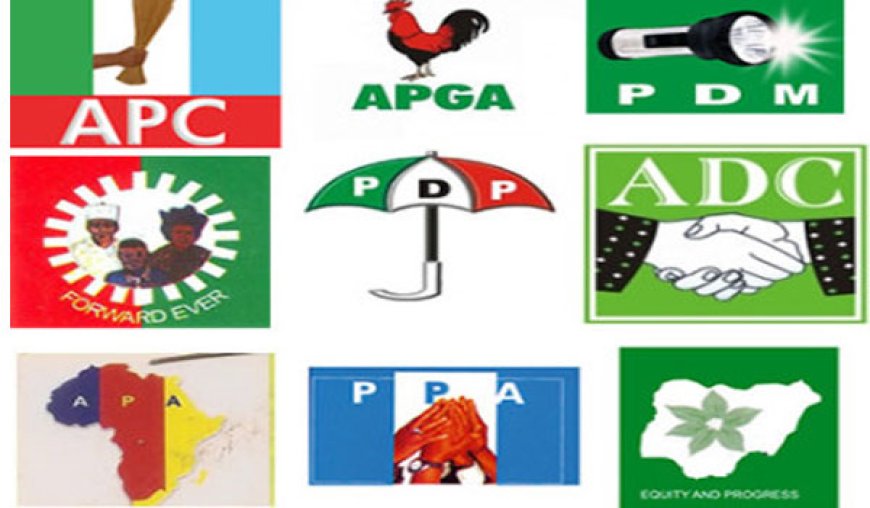
Over the years, Nigeria has witnessed the proliferation of political parties, many of which exist only on paper. These parties often lack grassroots presence, ideological clarity, or meaningful participation in elections. As a result, ballot papers become overcrowded, voters confused, and the electoral process unnecessarily complex.
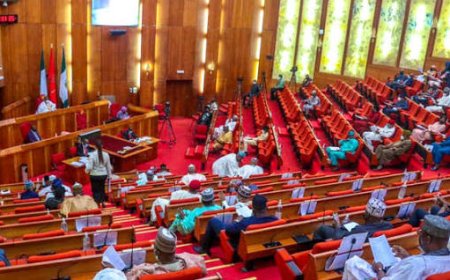
By setting clear benchmarks—such as securing at least 25 percent of votes in a state during presidential elections, or winning at least one legislative seat—the law compels parties to prove their viability. It sends a strong message: political relevance must be earned through the ballot, not merely by registration.
Critics argue that deregistration limits political diversity and could silence smaller parties. While this concern is valid, it must be balanced against the need for a credible and efficient electoral system. A democracy flooded with inactive or unserious parties risks undermining voter confidence and weakening governance.
Moreover, the law does not permanently shut the door on political participation. Parties that are deregistered can reorganize, build stronger structures, and seek fresh registration if they meet the requirements. In this sense, the system encourages growth, discipline, and genuine engagement with the electorate.
Another critical aspect is accountability. Political parties are central to democratic governance, and their performance—or lack thereof—should have consequences. If a party cannot mobilize support or win representation, it raises legitimate questions about its purpose and effectiveness.
However, the role of INEC in this process must remain transparent and impartial. Deregistration should never be perceived as a political tool but as a constitutional duty carried out in strict adherence to the law. Any action taken must be open to judicial review, ensuring fairness and protecting the rights of all political actors.
As Nigeria continues to refine its democratic institutions, the enforcement of Section 225A presents an opportunity to build a more robust political landscape—one defined by credible parties, informed voters, and meaningful competition.
In the end, democracy is not just about participation; it is about effective participation. And for political parties in Nigeria, the message is clear: relevance is not guaranteed—it must be proven.



















































































 Like
0
Like
0
 Dislike
0
Dislike
0
 Love
0
Love
0
 Funny
0
Funny
0
 Angry
0
Angry
0
 Sad
0
Sad
0
 Wow
0
Wow
0