
































































UAE Formally Exits OPEC After Nearly 60 Years, Signals New Energy Direction

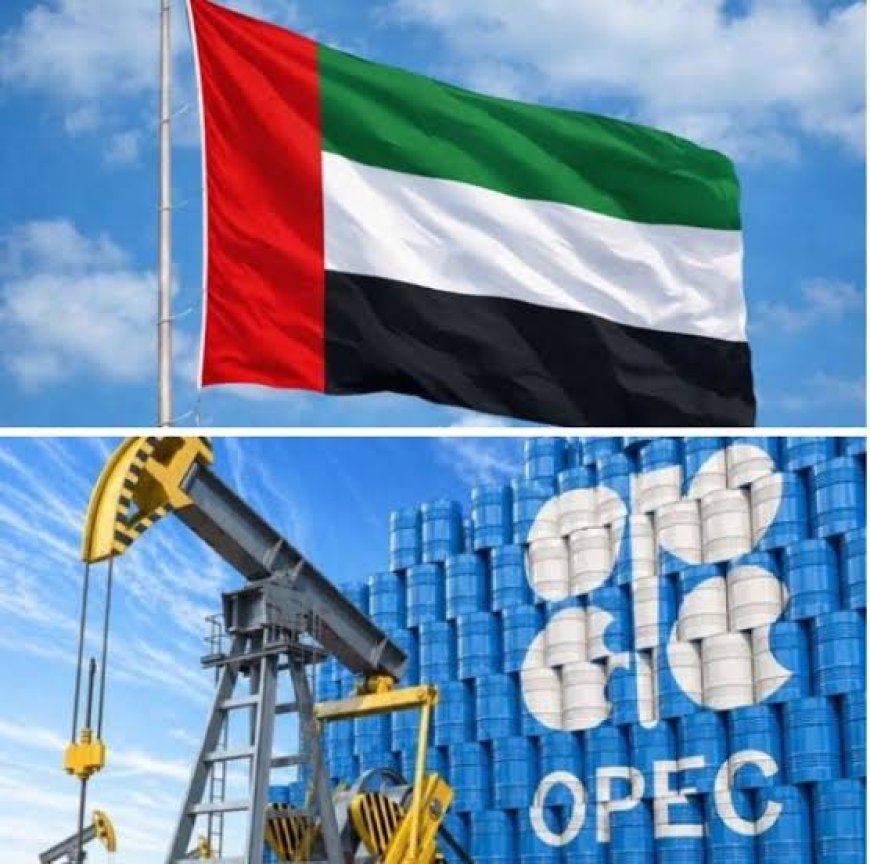
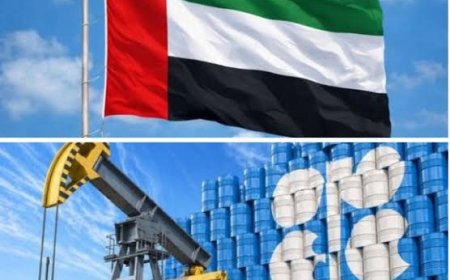
The Organization of the Petroleum Exporting Countries (OPEC) has confirmed that the United Arab Emirates will officially withdraw from the oil-producing bloc effective May 1, 2026, marking the end of its nearly six-decade membership.
The move is being described as a major development in the global energy sector, as the UAE has remained one of OPEC’s leading oil producers and influential members since joining the organization in 1967.
According to international reports, the decision is expected to give the UAE greater freedom to expand oil production without being bound by OPEC production quotas, a step analysts say could reshape supply dynamics in the global crude market.
The UAE government said the withdrawal aligns with its long-term energy strategy and broader economic diversification plans, as the country continues to invest heavily in both traditional oil production and renewable energy.
Energy analysts believe the exit may reduce OPEC’s ability to coordinate supply among member states and could create fresh pressure on oil prices if the UAE ramps up production independently.
The development comes at a time of growing shifts in the global oil market, amid geopolitical tensions, changing energy demands, and increased competition among major oil-producing nations.
Market watchers are now closely monitoring how OPEC and other major producers will respond to the UAE’s departure, and what it could mean for global energy stability in the months ahead.
What's Your Reaction?
 Like
0
Like
0
 Dislike
0
Dislike
0
 Love
0
Love
0
 Funny
0
Funny
0
 Angry
0
Angry
0
 Sad
1
Sad
1
 Wow
0
Wow
0