


































































Nigeria’s Economy Accelerates to 4.43% Growth as Government Targets $1 Trillion GDP by 2030
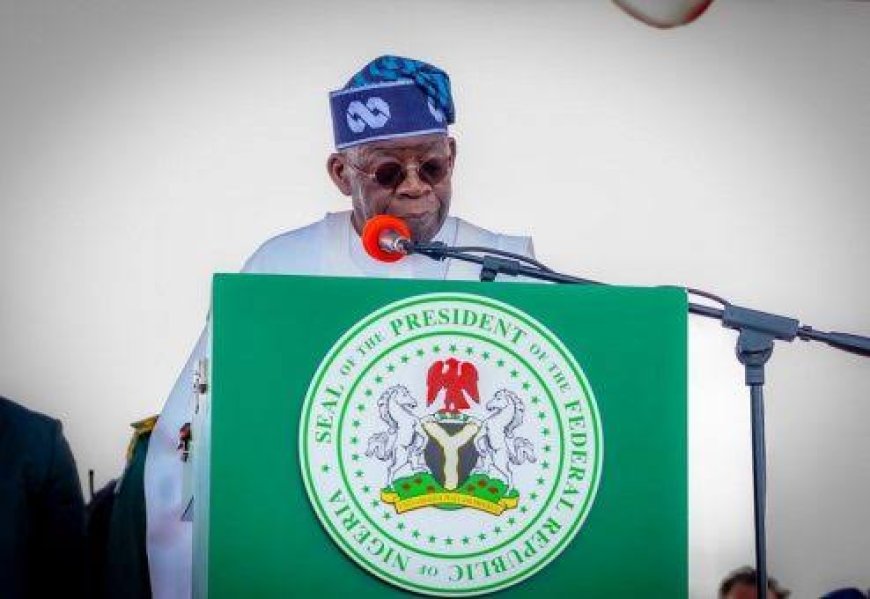
Abuja, September 1, 2026 — Nigeria’s economy recorded stronger growth in the second quarter of 2026, with real Gross Domestic Product (GDP) expanding by 4.43 per cent year-on-year, according to the Federal Ministry of Finance.
The latest growth figure represents an improvement from the 4.23 per cent recorded in the second quarter of 2025 and the 3.89 per cent growth posted in the first quarter of 2026, signalling continued expansion across key sectors of the economy.
The stronger Q2 performance also pushed Nigeria’s real GDP growth for the first half of 2026 to 4.16 per cent, compared with 3.68 per cent recorded during the corresponding period in 2025.
The Federal Ministry of Finance said the latest figures indicate that economic growth is becoming increasingly broad-based, with 27 economic subsectors recording real growth above 3 per cent in Q2 2026, compared with 23 subsectors during the same quarter in 2025.
Manufacturing, Agriculture and Services Record Stronger Growth
The productive sectors were among the major contributors to the improved economic performance.
The manufacturing sector grew by 3.24 per cent, more than twice the 1.60 per cent recorded in Q2 2025. The ministry attributed the performance to improved industrial output.
Agriculture also recorded significant improvement, growing by 4.39 per cent, compared with 2.82 per cent in the same period of 2025. The performance points to stronger agricultural production and improved activity across related value chains.
Meanwhile, the services sector, Nigeria’s largest driver of economic activity, expanded by 4.60 per cent, compared with 3.94 per cent recorded in Q2 2025.
Naira Appreciation Boosts Dollar Value of Economy
The ministry also highlighted the impact of exchange-rate stability and the appreciation of the naira on Nigeria’s economic size in dollar terms.
According to the statement, the naira appreciated by more than 12 per cent between the first half of 2025 and the first half of 2026, contributing to an estimated 17 per cent expansion of the economy in U.S. dollar terms during the period.
The government said sustained exchange-rate stability, combined with social programmes and continued economic reforms, could help strengthen dollar incomes, improve purchasing power and contribute to reducing poverty.
Nigeria Targets $1 Trillion Economy by 2030
The Federal Government said the latest economic performance places Nigeria in a stronger position to consolidate its position among Africa’s largest economies and work towards its USD 1 trillion GDP target by 2030.
The ministry further stated that the International Monetary Fund (IMF) has ranked Nigeria among the top 10 contributors to global real GDP growth in 2026, projecting the country to account for approximately 1.5 per cent of global growth this year.
The government expressed optimism that continued macroeconomic stability, sustained expansion across productive sectors and improved investor confidence could accelerate Nigeria’s progress towards becoming Africa’s largest economy by 2028.
Government Vows to Sustain Economic Reforms
The Federal Ministry of Finance stressed the need for policy consistency and sustained implementation of ongoing economic reforms to ensure that the benefits of growth translate into improved living standards.
The government said it remains focused on accelerating inclusive economic growth and ensuring that the gains recorded at the macroeconomic level are increasingly reflected in the lives of households across the country.
The latest figures, the ministry noted, provide further justification for maintaining the reform trajectory while strengthening measures aimed at achieving broad-based prosperity for Nigerians.
What's Your Reaction?
 Like
0
 Dislike
0
 Love
0
 Funny
0
 Angry
0
 Sad
0
 Wow
0