











































BREAKING: As President, I Won’t Bring Back Fuel Subsidy — Seyi Makinde
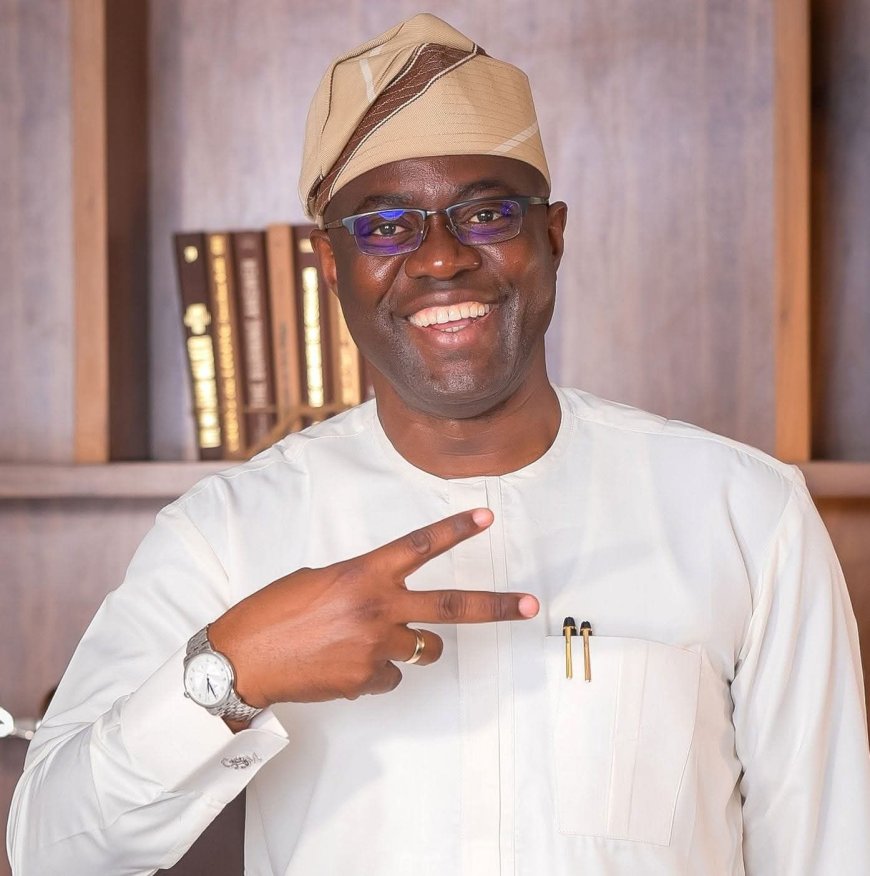
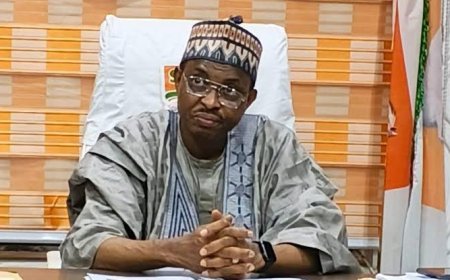
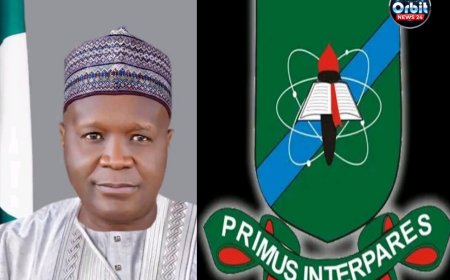
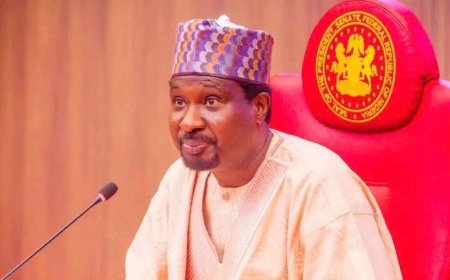
The Governor of Oyo State and presidential candidate of the Allied Peoples’ Movement (APM), Seyi Makinde, has said he would not return Nigeria to the old fuel subsidy regime if elected President in 2027.
Instead, Makinde said his administration would introduce a more transparent and sustainable petroleum pricing framework that would ensure Nigerians benefit more from the country’s status as an oil-producing nation.
The governor made his position known in his latest edition of The Business of Governance newsletter, where he joined the growing debate over the future of petrol pricing ahead of the 2027 general elections.
According to Makinde, the national conversation should not be restricted to whether fuel subsidy should be restored or permanently removed.
He argued that the more important question is whether Nigeria’s existing petroleum pricing framework is appropriate for an oil-producing country and whether it allows citizens to enjoy the benefits of the nation’s natural resources.
Makinde said Nigerians deserve greater transparency on the factors used to determine the pump price of petroleum products, including crude oil benchmarks, refining costs and margins, exchange-rate assumptions, logistics and distribution expenses, taxes and other charges.
‘Nigerians Should Not Pay More Because of Smuggling’
The governor also rejected the argument that Nigerians should pay higher prices for petrol simply because cheaper Nigerian petroleum products could be smuggled into neighbouring countries.
He maintained that the Federal Government should strengthen border security rather than transfer the cost of ineffective border control to ordinary Nigerians.
“Nigerians should not be made to bear the cost of government’s inability to secure its borders,” Makinde argued in his newsletter.
Makinde has also advocated policies that would reduce Nigeria’s exposure to international fuel prices, foreign exchange volatility and import-related costs.
His position centres on increasing domestic refining, improving the allocation of Nigerian crude for local consumption and establishing a transparent pricing system based on the realities of local production.
The governor has previously criticised the manner in which the 2023 fuel subsidy removal and naira reforms were implemented, describing the simultaneous policies as a major shock to Nigerians because they were not accompanied by adequate measures to cushion the resulting hardship.
However, his latest position indicates that his proposed solution is not a return to the old subsidy regime, but a restructuring of the petroleum sector and pricing system.
Makinde’s latest comments are also consistent with his earlier position that Nigeria needed to move away from the old subsidy arrangement.
In June 2023, shortly after President Bola Tinubu announced the removal of fuel subsidy, Makinde urged Nigerians to support the implementation of the policy, describing the decision as difficult but necessary.
His Oyo State administration subsequently introduced measures under its Sustainable Actions for Economic Recovery (SAfER) programme to cushion the impact of the subsidy removal.
The measures included transport subsidies, food support, health insurance interventions and assistance for small businesses and vulnerable residents.
Makinde’s position comes as the issue of fuel subsidy increasingly becomes a major subject in the political debate ahead of the 2027 presidential election.
While some political contenders have called for a return to subsidy or cheaper petrol prices, others have defended the removal of subsidy while proposing alternative ways of reducing the burden on citizens.
For instance, the Social Democratic Party presidential candidate, Adewole Adebayo, recently promised that petrol, cooking gas and aviation fuel could be sold at about N200 per litre under his proposed policy if elected in 2027. He also advocated a form of subsidy arrangement tied to locally produced crude and domestic refining.
Makinde, however, appears to be positioning his campaign around a different approach: no return to the old subsidy system, but a fundamental overhaul of how petroleum prices are determined and how Nigeria’s crude resources are utilised.
The governor has been presenting the proposal as part of his broader “Reset Nigeria” agenda, which seeks to address economic challenges through structural reforms rather than temporary interventions.
His campaign platform identifies the poorly implemented subsidy removal and currency reforms as major contributors to the pressure facing ordinary Nigerians, while proposing increased domestic production, improved infrastructure and reforms across key sectors of the economy.
With the 2027 election approaching, the question of what happens to petrol prices and whether Nigerians will see a return to any form of subsidy is expected to remain one of the most contentious issues among presidential candidates.
For Makinde, the answer is increasingly clear: Nigeria should not return to the old fuel subsidy regime. Instead, the country should build a transparent petroleum pricing system, strengthen domestic refining and ensure that Nigerians receive a fairer share of the benefits of the nation’s oil resources.
What's Your Reaction?
 Like
0
 Dislike
0
 Love
0
 Funny
0
 Angry
0
 Sad
0
 Wow
0