



















































































Nigeria’s Oil Output Surges to 1.84 Million Barrels Per Day

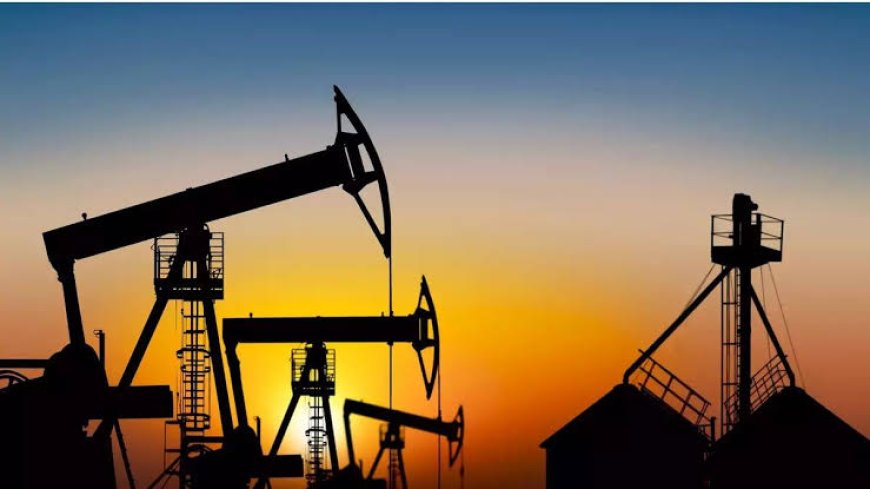
Nigeria’s crude oil production has risen to 1.84 million barrels per day (mbpd), marking a significant recovery for the country’s vital oil and gas sector, according to the Nigerian Upstream Petroleum Regulatory Commission (NUPRC).
The latest production figure reflects a sharp increase from previous months, when output dipped due to a combination of operational setbacks, pipeline vandalism, and crude oil theft. Industry data indicates that production had hovered around the 1.4mbpd range earlier in the year, raising concerns about Nigeria’s ability to meet its fiscal and export obligations.
Officials say the recent rebound is the result of coordinated efforts by the Federal Government, regulatory agencies, and oil companies to address long-standing challenges in the sector. Key interventions include intensified surveillance of oil infrastructure, repairs of damaged pipelines, and improved maintenance of critical production facilities.
The Minister of Finance and Coordinating Minister of the Economy, Wale Edun, described the development as a strong indication that ongoing reforms are yielding results. He noted that higher oil output would play a crucial role in boosting government revenue, stabilizing the naira, and supporting overall economic growth.
“We are encouraged by the upward trend in production. Our focus is to sustain this progress and move closer to our target of 2 million barrels per day,” Edun said.
Analysts believe that improved security conditions in the Niger Delta region have significantly contributed to the increase. In recent months, security agencies have stepped up operations against illegal refining activities and pipeline vandalism, leading to fewer disruptions and greater confidence among operators.
Additionally, the implementation of the Petroleum Industry Act (PIA) continues to reshape the sector by strengthening regulatory oversight, improving transparency, and creating a more attractive environment for investment. Stakeholders say these reforms are gradually restoring investor confidence, which is critical for long-term production growth.
The rise in output is expected to have far-reaching economic benefits. As Africa’s largest oil producer, Nigeria relies heavily on crude oil exports for foreign exchange earnings and budgetary support. Increased production could help ease fiscal pressures, improve external reserves, and provide the government with more resources for infrastructure and social development.
However, experts caution that sustaining the gains will require consistent policy implementation, continued investment in infrastructure, and unwavering efforts to combat oil theft and sabotage. They also stress the importance of diversifying the economy to reduce overdependence on oil revenues.
With production now approaching pre-disruption levels, regulators remain optimistic that Nigeria is on track to achieve its medium-term production target, provided current improvements are maintained.
Leadership
What's Your Reaction?
 Like
0
Like
0
 Dislike
0
Dislike
0
 Love
0
Love
0
 Funny
0
Funny
0
 Angry
0
Angry
0
 Sad
0
Sad
0
 Wow
0
Wow
0